If you are trying to understand East Austin, the best way is to spend a day moving through it. This part of Austin feels layered, active, and constantly in conversation with its own history. For buyers, sellers, and anyone considering a move, that matters because the neighborhood experience here is tied closely to how people live, gather, and invest. Let’s dive in.
Why East Austin Feels Different
East Austin is not just one street or one vibe. It is a collection of neighborhoods and corridors where older homes, creative spaces, long-running businesses, and newer development often sit within a few blocks of each other. According to Visit Austin’s East Austin overview, it is one of the city’s fastest-growing areas and a place where old and new continue to coexist.
That mix did not happen by accident. City planning documents for the area explain that East Austin was deeply shaped by segregation, redlining, and industrial zoning, especially after the 1928 city plan pushed Black residents eastward. The Govalle/Johnston Terrace planning document helps explain why the area still feels so layered today, with residential streets, industrial remnants, cultural landmarks, and neighborhood businesses all part of the same fabric.
For you as a buyer or homeowner, that context is important. East Austin’s identity is tied to both preservation and change, which is a big reason the neighborhood continues to stand out in Austin’s housing market.
Start With Coffee and Breakfast
A great East Austin day often starts somewhere casual and local. That could mean coffee and breakfast at Sa-Tén on Springdale, which describes its location as a community hub serving coffee, tea, and Japanese-inspired dishes.
If you want something a little more tucked into the neighborhood, East Austin also offers coffee spots that reflect the area’s smaller-scale, independent feel. The research points to places like Flitch Coffee and Community Garden as part of the eastside rhythm, showing how the area supports everything from mobile concepts to day-to-night cafe spaces.
This is one of the first things you notice about East Austin. It does not feel built around a single commercial center. Instead, it unfolds in smaller neighborhood nodes, which gives daily life a more local, connected feel.
Explore East Austin’s Food Scene
By late morning or lunch, East Austin starts to show off one of its biggest strengths: variety. You can move from tacos to comfort food to chef-driven casual dining without covering much ground.
For tacos, the research highlights Veracruz All Natural’s East Austin location on Webberville and Nixta Taqueria, which is known for heirloom corn, house-made masa, and a community-oriented approach. For comfort food with deep local roots, Hoover’s Cooking on Manor Road remains one of the best-known examples of East Austin’s connection to Texas and Southern traditions.
The East 12th Street District page is especially useful because it shows how broad the local food identity really is. The corridor is noted for soul food, barbecue, Cajun food, and other Southern flavors, alongside the smaller everyday businesses that help define the street.
If you are thinking about living here, this matters in a practical way. East Austin’s dining scene is not only about trendy openings. It is also about neighborhood-serving places, legacy businesses, and a street-level mix that makes the area feel active throughout the day.
See the Creative Side of East Austin
Food is only part of the story. East Austin also has a strong cultural and creative identity that shows up in working studios, museums, heritage spaces, and public gathering places.
One of the clearest examples is Canopy Austin, a redeveloped warehouse campus on Springdale that includes artist studios, galleries, creative offices, and a cafe. Its monthly Open Canopy event gives visitors a chance to experience the area’s creative energy in a direct way.
The broader eastside cultural landscape also includes places highlighted by Visit Austin, such as Six Square, the George Washington Carver Museum, and the Puerto Rican Cultural Center. These institutions help connect present-day East Austin to the communities and histories that shaped it.
If you head through East 12th, you see another side of that identity. The corridor is described by the City of Austin as a historic business district within the African American Cultural Heritage District, with religious institutions, barbershops, convenience stores, and locally rooted restaurants all contributing to its day-to-day character.
Make Time for Parks and Outdoor Space
One reason East Austin feels balanced is that urban activity is matched by meaningful outdoor space. Parks here are not an afterthought. They are part of the neighborhood’s social and daily rhythm.
Parque Zaragoza Recreation Center has been a community gathering place since 1931 and now spans 15 acres. A recent placemaking project added a bicycle traffic garden, seating, and ADA-accessible pathways, reinforcing its role as both a park and community anchor.
In Govalle, Govalle Neighborhood Park improvements completed between 2020 and 2023 added a new playground, improved lighting, resurfaced courts, and new connection paths. The area also continues to add green space through projects like Tillery Neighborhood Park, which preserves more than 100 trees on historic pecan grove land.
For residents, this blend of density and open space is a real advantage. You can be close to restaurants, coffee shops, and creative workspaces while still having access to parks, trails, and the river corridor nearby.
Notice the Streetscape and Housing Mix
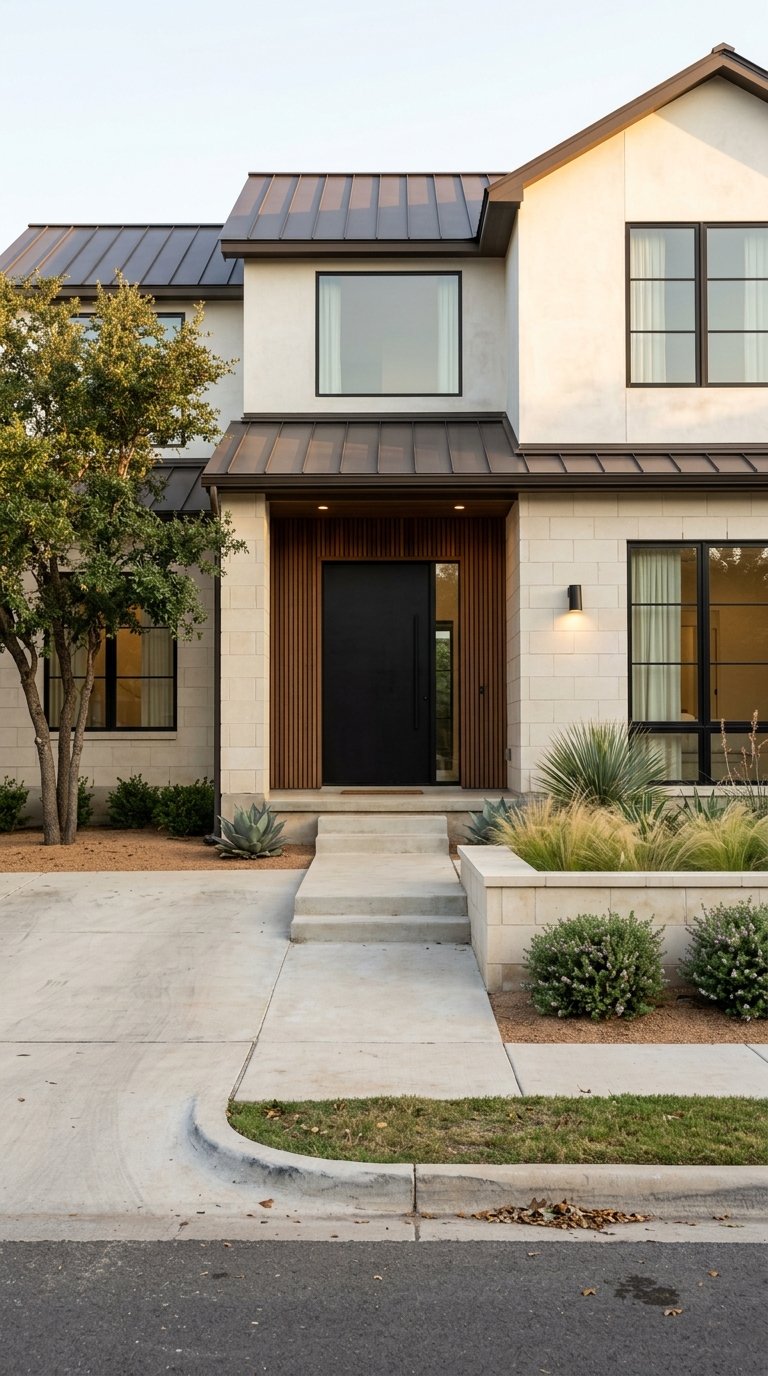
As you move through East Austin, pay attention to the built environment. The neighborhood does not present one consistent housing style, and that is part of what makes it compelling.
City planning documents describe a landscape that includes historic structures, affordable homes, duplexes, townhouses, and neighborhood-scaled mixed-use buildings. The East Austin planning materials note that single-family homes often sit near restaurants, small offices, and commercial spaces, especially along corridors like East Cesar Chavez and in Govalle.
That pattern continues in newer development. The research references Mira in Govalle, a mixed-income townhome project that opened in 2026, Norman Commons with rental homes ranging from one to four bedrooms, Johnny Limon Village as a community land trust project, and The Ivory as a mixed-use condo development.
For you as a buyer, this means East Austin often rewards a more strategic eye. One block may offer an older cottage with renovation potential, while the next includes newer infill or attached housing. If you are thinking long term, that visual contrast can reveal a lot about how the neighborhood is evolving.
What a Day Here Tells You
A day in East Austin usually feels like a sequence. You start with coffee, move into a local breakfast or taco stop, spend time around a creative campus or historic corridor, take a break in a park, and end the day at a neighborhood restaurant that may have been there for years or may be part of a newer wave of redevelopment.
That sequence tells you something important about the area. East Austin’s appeal is not just style or momentum. It is the way preservation, creative reuse, local business activity, and new housing all exist together.
For buyers and investors, that creates a neighborhood with both personality and complexity. For sellers, it creates a market where location, property condition, and positioning strategy can make a meaningful difference in outcome.
Why East Austin Matters in Real Estate
From a real estate perspective, East Austin stands out because the neighborhood experience is closely tied to value. People are drawn to areas where daily life feels connected, where housing options are varied, and where long-term change is visible on the ground.
East Austin checks those boxes. Its mix of older homes, duplexes, townhomes, mixed-use projects, parks, cultural institutions, and neighborhood businesses gives it a distinct market position within Austin.
If you are considering buying, selling, renovating, or investing in East Austin, it helps to look beyond surface-level appeal. You want to understand not just what is here now, but how a property fits into the surrounding block, corridor, and longer-term pattern of change. That is where local knowledge becomes especially valuable.
If you want help evaluating East Austin through both a lifestyle and value lens, connect with Deep Parikh. Whether you are buying, selling, or exploring a value-add opportunity, you can get a more strategic view of what makes this part of Austin unique.
FAQs
What is East Austin known for?
- East Austin is known for its mix of local food, creative spaces, cultural institutions, historic corridors, parks, and a housing landscape that blends older homes with newer infill development.
What can you do in East Austin in one day?
- You can spend a day in East Austin grabbing coffee, eating tacos or comfort food, visiting creative spaces like Canopy, exploring historic business corridors, and relaxing in parks such as Parque Zaragoza.
What kinds of homes are in East Austin?
- East Austin includes older cottages, modest single-family homes, duplexes, townhomes, mixed-use residential projects, and newer infill housing, often within the same few blocks.
Why do buyers look at East Austin real estate?
- Buyers are often drawn to East Austin because of its central location, active neighborhood feel, varied housing stock, and the way lifestyle appeal and long-term value potential often intersect.
Are there parks and outdoor spaces in East Austin?
- Yes, East Austin includes community parks and green spaces such as Parque Zaragoza, Govalle Neighborhood Park, Tillery Neighborhood Park, and access to the broader river corridor.
How does East Austin’s history shape the neighborhood today?
- East Austin’s present-day character is closely connected to its history of segregation, redlining, industrial zoning, and long-standing community institutions, all of which helped shape its streetscape, businesses, and cultural identity.