If you want a neighborhood that feels tied to nature without giving up a close-in Austin location, Barton Hills stands out fast. You get a mature residential setting near Barton Creek, quick access to major outdoor destinations, and a housing mix with real architectural character. For buyers in the early stages, that combination can make Barton Hills feel both exciting and a little hard to decode. This guide will help you understand what defines daily life here, what kinds of homes you may find, and how to think about the neighborhood through both lifestyle and long-term value. Let’s dive in.
Why Barton Hills Gets Attention
Barton Hills is a small residential community in south Austin along Barton Creek. The Barton Hills Neighborhood Association describes it as a centrally located, mature, cohesive neighborhood, with boundaries roughly between Barton Springs Road, Azie Morton Road, Barton Skyway, South Lamar Boulevard, and Barton Creek.
That setting helps explain why the area stays on so many buyers’ radar. You are looking at a south-central Austin neighborhood with a residential feel, but you are also near some of the city’s best-known recreation areas. For many buyers, that mix is the starting point of Barton Hills’ appeal.
The neighborhood’s history also adds context. According to the neighborhood association, the area began being platted as a subdivision in 1956, which helps explain the strong presence of older homes, mature trees, and established streetscapes.
Greenbelt Access Shapes Daily Life
One of the clearest draws in Barton Hills is how close you are to the Barton Creek Greenbelt. The City of Austin identifies several access points in and near the neighborhood, including the Barton Hills School Park/Homedale Dr. Trailhead and the Gus Fruh/Barton Hills Dr. Trailhead.
The Greenbelt’s main corridor is 7.5 miles long, giving you a major outdoor amenity woven into the area’s identity. For buyers who value trails, natural scenery, and flexible outdoor time, that is a meaningful part of the neighborhood story.
Some of the key nearby trailheads include:
- Zilker/Barton Creek Greenbelt Trailhead: 2212 William Barton Dr.
- Barton Hills School Park/Homedale Dr. Trailhead: 2009 Homedale Dr.
- Gus Fruh/Barton Hills Dr. Trailhead: 2632 Barton Hills Dr.
It is also worth knowing that the City of Austin notes trail conditions and water levels can change quickly after rainfall. If Greenbelt access is a major part of your decision, that is a practical detail to keep in mind as you explore the area.
Nearby Recreation Adds More Than Trails
Barton Hills is not just about the Greenbelt. Zilker Metropolitan Park is another major lifestyle anchor nearby, and the City of Austin says the park includes Barton Springs Pool, Zilker Botanical Garden, Austin Nature and Science Center, the Ann and Roy Butler Hike and Bike Trail, and Barton Creek Trail.
Barton Springs Pool is especially notable because it is a three-acre, spring-fed pool with an average temperature of 68 to 70 degrees. That kind of year-round recreational landmark is a big part of what gives this area its identity.
The Barton Hills Neighborhood Association also points to nearby attractions such as Barton Springs Pool, Zilker Park, Zilker Botanical Garden, Umlauf Sculpture Garden/Museum, and Austin Nature and Science Center. For many buyers, this means daily life can feel connected to outdoor access and major Austin amenities at the same time.
Home Styles In Barton Hills
Barton Hills has a distinct architectural story, and that matters if you care about character as much as square footage. The neighborhood has deep mid-century roots, and the Barton Hills Neighborhood Association notes that in 1955 the area included a cluster of A.D. Stenger Contemporary homes.
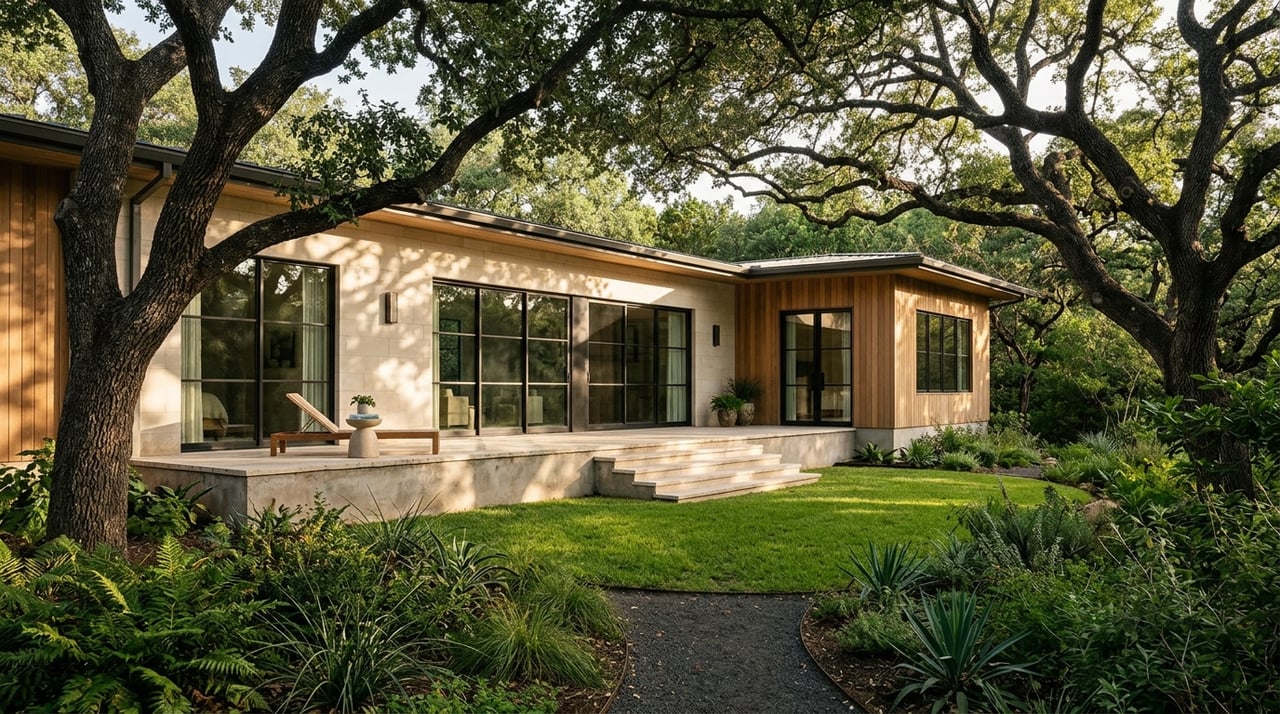
That style is described as using gently sloping roofs, clerestory windows, and indoor-outdoor connections through decks that extend into the treetops. Additional coverage of Stenger homes in Austin points to recurring details like riverstone walls, canted rooflines, and integrated carports.
In practical terms, Barton Hills is not a cookie-cutter neighborhood. Instead, the housing stock reflects a combination of original design ideas, site-specific construction, and later updates that often try to preserve the neighborhood’s architectural identity.
Original Mid-Century Homes
If you are drawn to homes with original character, Barton Hills can be compelling. Mid-century contemporaries in the area are part of what gives the neighborhood a recognizable design language.
Features like clerestory windows, indoor-outdoor flow, and rooflines that respond to the lot can feel very different from standard suburban construction. For buyers who value architecture, these homes may stand out even before you get into renovation potential.
Renovated Older Homes
Renovated homes are also a major part of the Barton Hills story. Examples cited in the research include remodels and additions to mid-century homes that retained original slab or tile where possible while adding updated layouts, more natural light, and better-functioning spaces.
That matters if you want the feel of an established neighborhood but do not want to take on every improvement yourself. In Barton Hills, renovated homes often sit in the middle ground between original condition and brand-new construction.
Newer Custom Construction
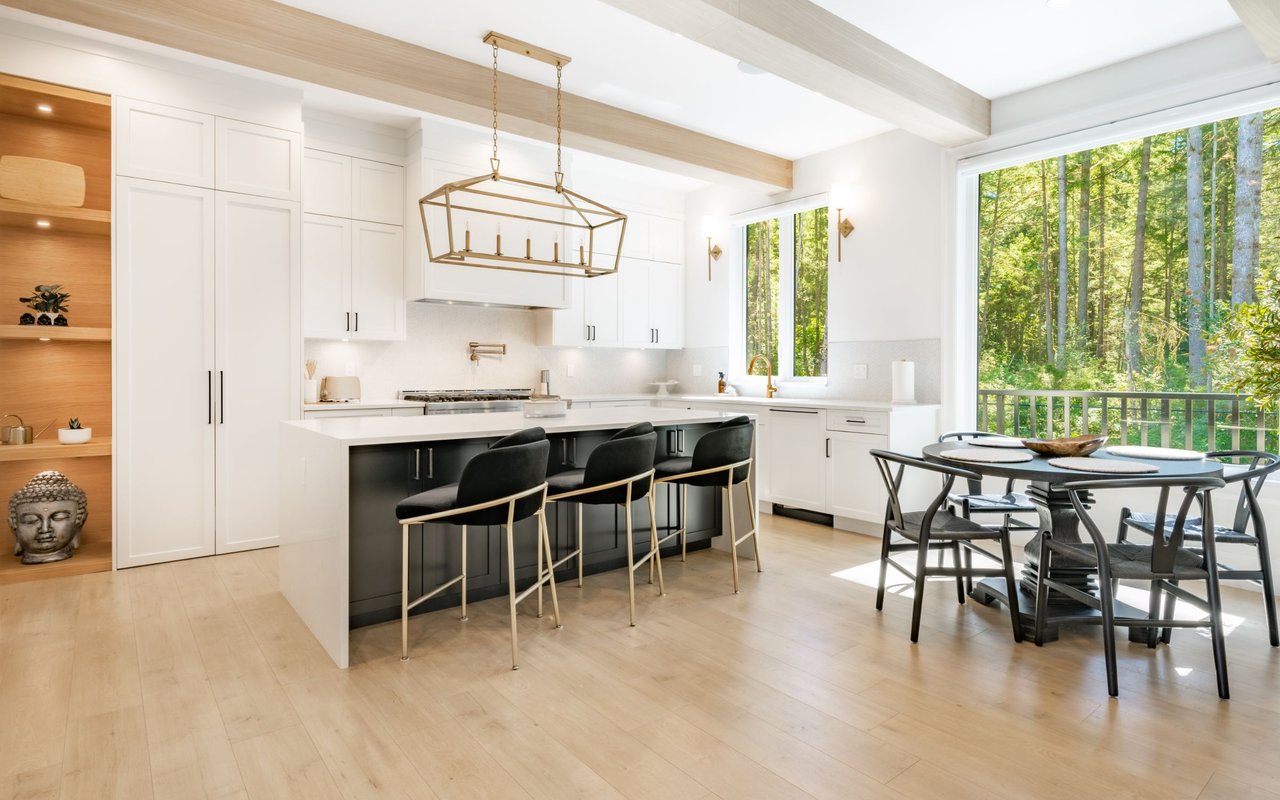
Newer construction in Barton Hills tends to be modern and site-responsive rather than repetitive. Project examples referenced in the research use materials like limestone, wood, white brick, and outdoor living features such as terraces, rooftop decks, and landscaped areas.
This is important because the neighborhood’s lots, grades, and tree cover often shape the design. Instead of forcing a standard plan onto the site, newer homes here often respond to slope, mature trees, and outdoor space in a more tailored way.
What Buyers Should Watch For
For early-stage buyers, Barton Hills usually makes the most sense when you think in layers. The first layer is lifestyle, especially Greenbelt access, Zilker amenities, and the neighborhood’s close-in location. The second layer is the housing stock, which includes original mid-century homes, renovated older properties, and newer custom builds.
The third layer is fit. Your best option may depend on whether you want architectural authenticity, improved functionality, or lower day-to-day maintenance in a newer home.
A simple way to frame your search is this:
- If you value original design character, focus on mid-century homes with notable architectural details.
- If you want character with more current function, look closely at renovated homes.
- If you prefer newer construction, pay attention to how well the home fits the lot, trees, and outdoor living potential.
From a strategy standpoint, this is also where neighborhood knowledge matters. In a place like Barton Hills, the right decision is often less about finding the newest finish package and more about understanding how location, design, and improvement potential work together over time.
Why Barton Hills Appeals To Value-Minded Buyers
Barton Hills offers a mix that is hard to fake. You have official Greenbelt access points, proximity to Zilker’s major amenities, and a housing stock with a clear architectural identity.
That can create different kinds of opportunity depending on your goals. Some buyers may see upside in a home with original character that can be improved carefully over time. Others may prefer a renovated property or newer custom house that already aligns with how they want to live.
If you are evaluating Barton Hills, it helps to look beyond surface finishes. A smarter read of the neighborhood often comes from studying how the home sits on the lot, how it connects to outdoor space, and how its style fits the broader character of the area.
A Smart Way To Approach Your Search
Barton Hills is often most compelling when you want both nature and central Austin convenience. But because the housing mix is varied, your search can move faster when you know what tradeoffs matter most to you.
Start by narrowing your priorities into three buckets:
- Location within the neighborhood: proximity to trailheads, parks, and major roads
- Home type: original mid-century, renovated older home, or newer custom construction
- Future plans: move-in ready living, selective updates, or a longer-term value-add approach
That framework can help you compare homes more clearly and avoid treating every Barton Hills listing the same. In this neighborhood, the details of design, site, and condition often matter as much as the basic numbers.
If you are weighing Barton Hills and want a strategic view of which homes offer the best fit, lifestyle, and upside, Deep Parikh can help you evaluate the neighborhood with a sharper lens.
FAQs
How close is Barton Creek Greenbelt access in Barton Hills?
- The City of Austin identifies several access points in and near Barton Hills, including the Barton Hills School Park/Homedale Dr. Trailhead and the Gus Fruh/Barton Hills Dr. Trailhead.
What home styles are common in Barton Hills, Austin?
- Barton Hills includes a mix of original mid-century contemporaries, renovated older homes, and newer custom construction adapted to the site and tree cover.
What amenities define daily life in Barton Hills?
- The main lifestyle anchors are the Barton Creek Greenbelt, Zilker Metropolitan Park, Barton Springs Pool, Zilker Botanical Garden, Austin Nature and Science Center, and related recreation areas.
What makes Barton Hills different from more uniform neighborhoods?
- Barton Hills has a stronger architectural identity, with mid-century roots, mature trees, and homes that often respond to slope, lot shape, and outdoor living rather than following a repetitive pattern.
What should buyers compare when touring Barton Hills homes?
- Buyers should compare Greenbelt and park access, whether the home is original or updated, how the design fits the lot, and whether the property supports their long-term plans for living or improving over time.