If you are choosing between a classic Central Austin home and new construction, you are really choosing between two different ownership experiences. One offers character, mature streetscapes, and room to improve over time. The other offers a more turnkey start, modern systems, and fewer near-term unknowns. The right fit depends on how you want to live, what work you are willing to take on, and how you think about long-term value. Let’s dive in.
Why this choice matters in Central Austin
Central Austin has a deep inventory of older homes, including bungalows, ranch houses, and other long-established housing styles documented in city surveys of North Central Austin and nearby areas. Many of these homes sit on narrow lots that reflect the area’s earlier, more pedestrian-friendly development pattern. That makes the classic-versus-new decision especially relevant here.
New detached homes in mature markets often show up as infill or teardown replacements rather than in large new subdivisions. In Central Austin, that pattern is shaped further by historic review requirements and tree-protection rules. In other words, even newer homes are often influenced by the block, lot, and existing streetscape around them.
What classic homes offer
Character and architectural detail
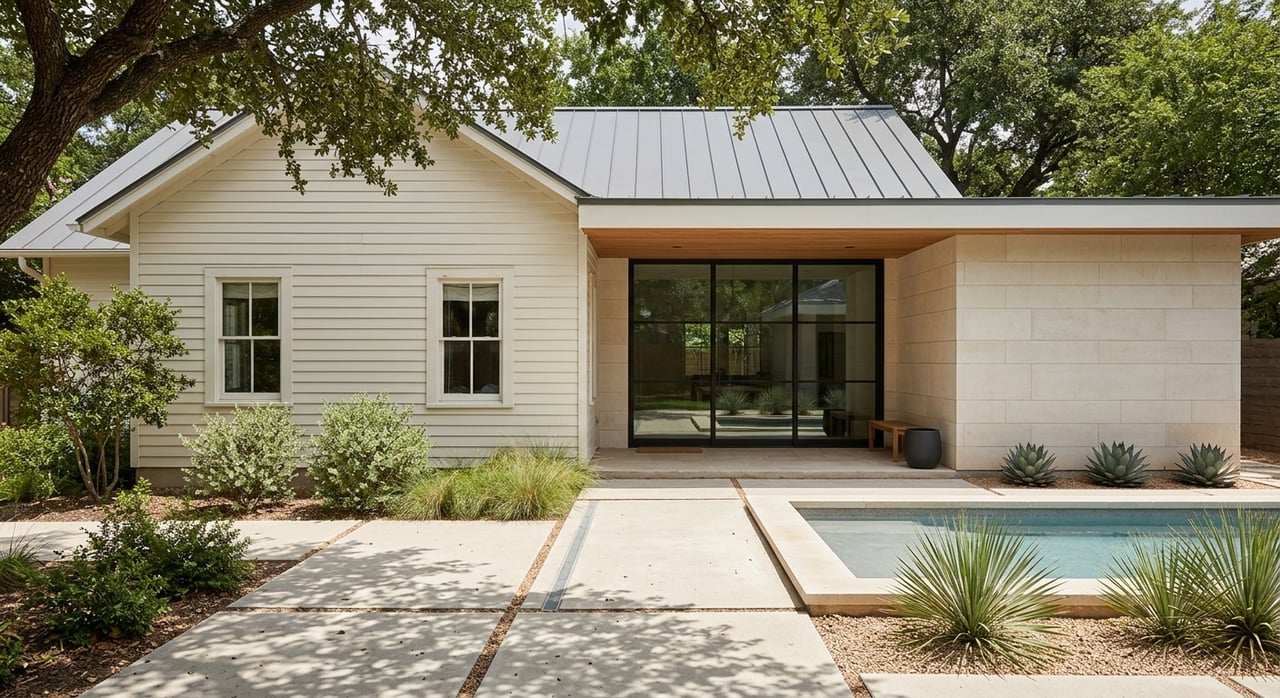
Classic Central Austin homes often stand out for their porch presence, simple rooflines, siding or stucco finishes, and traditional window patterns. Depending on the property, you may see details tied to Craftsman, Colonial Revival, Minimal Traditional, or Ranch-era design. These features are a big part of why buyers are drawn to older homes in the first place.
In Austin, design standards for historic properties place real value on preserving those original character-defining features. The city discourages adding style elements that were never historically part of the home. That matters if you want authenticity and want future updates to feel consistent with the house itself.
Mature setting and long-term upside
Classic homes often appeal to buyers who value mature trees and established blocks. They can also work well if you like the idea of improving a home over time instead of paying for every finish upfront. For buyers who think strategically, that can create an opportunity to align upgrades with budget, lifestyle, and future resale goals.
This path tends to work best if you are comfortable looking beyond what is turnkey today. In many cases, the upside is not just the house as it sits now, but what it can become with the right plan.
More compartmentalized layouts
One tradeoff with many older homes is layout. Older floor plans often have smaller, more distinct rooms, which can feel warm and functional but less open than what many buyers expect today. The National Association of Home Builders notes that older homes can be harder for entertaining because everyone does not naturally gather in one connected space.
That does not make the layout bad. It simply means you should think carefully about how you actually live, work, and host before you decide that charm alone is enough.
What to know before buying a classic home
Renovation may come with limits
If a property is a historic landmark, a contributing property, or located in a historic district or National Register district, Austin requires historic review for exterior alterations, additions, permanent site work, signs, and some stand-alone new construction. The city’s standards are designed to preserve things like scale, massing, roof form, windows, doors, and historic materials.
For non-historic older homes, you will usually have more design flexibility. Still, rules around protected and heritage trees can affect what you can remove, build, or expand. In Central Austin, that can be a real part of the planning process even when a home is not historically designated.
Maintenance and efficiency can cost more
Older homes are not automatically a problem, but they often come with a different maintenance profile. The U.S. Department of Energy notes that older homes often have less insulation, and older heating systems can be much less efficient than modern ones. Freddie Mac also notes that older homes tend to be more energy inefficient, which can raise operating costs and upkeep needs.
That means your real budget should go beyond the mortgage. If you are buying a classic home, it is smart to think about insulation, HVAC performance, windows, and other system updates as part of the ownership plan.
What new construction offers
Open layouts and modern flow
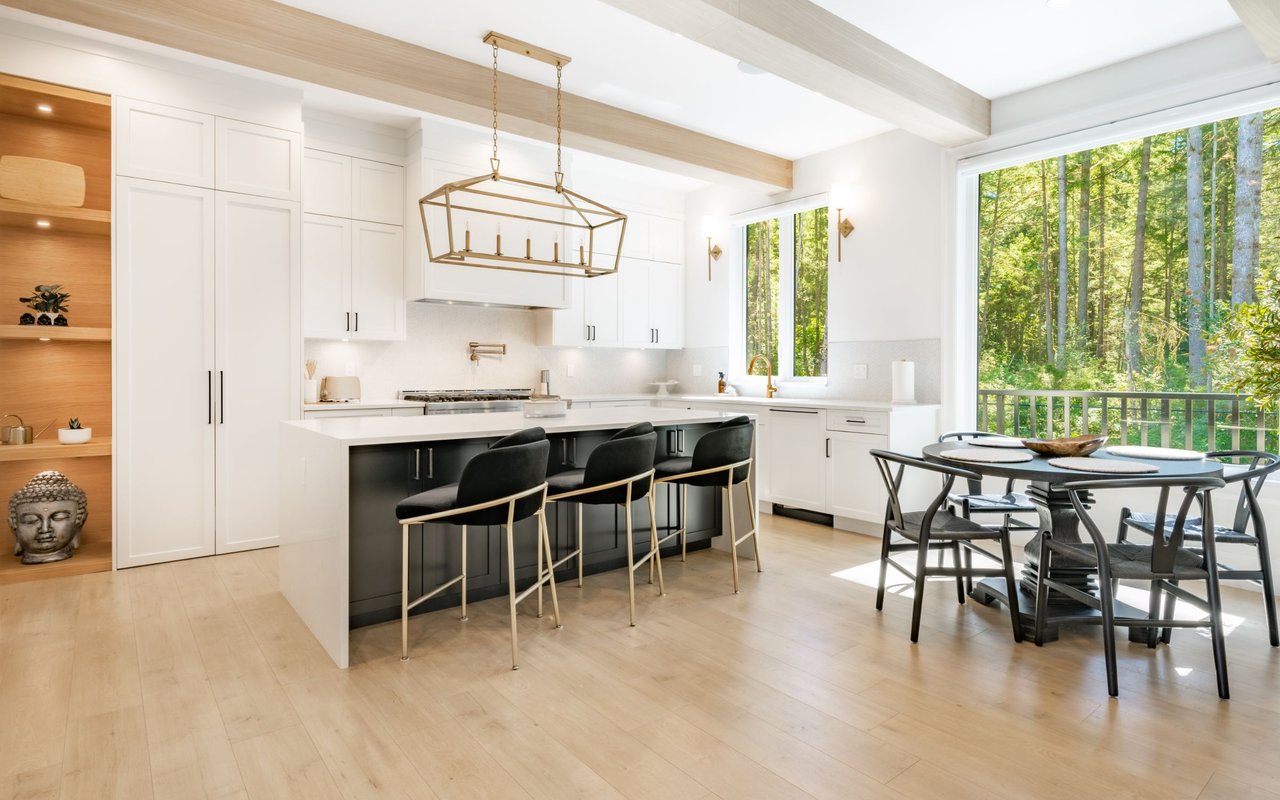
If you want a home that feels move-in ready from day one, new construction has a clear appeal. New homes typically offer more open spaces, better sightlines, and layouts built around how many people live today. NAHB’s recent buyer preference data continues to show strong demand for open kitchen, dining, and family-room arrangements.
That kind of layout often makes daily life easier. It can also make the home feel brighter and more connected, especially if you spend a lot of time cooking, entertaining, or working from home.
Better fit for modern systems
New homes are generally easier to equip for current technology and day-to-day convenience. NAHB notes that new construction can better accommodate structured wiring, security systems, and a larger number of outlets than many older homes. For buyers who do not want to immediately plan upgrades, that can make a meaningful difference.
This is part of the reason new construction often feels more turnkey. You are usually starting with systems and infrastructure that match current expectations instead of retrofitting an older shell.
Stronger energy performance
Energy efficiency is one of the biggest practical advantages of new construction. ENERGY STAR says certified new homes are at least 10% more energy efficient than homes built to minimum code. The same program notes that better insulation, air sealing, and high-performance windows can improve comfort, reduce maintenance costs, and lower utility bills.
The Department of Energy points to many of the same features, including insulation, efficient windows, air sealing, and updated HVAC systems, as some of the most effective ways to improve comfort and reduce energy use. In Austin’s climate, that day-one performance can matter more than many buyers expect.
Warranty-backed ownership
Another benefit of new construction is the warranty structure that often comes with it. The Federal Trade Commission says most newly built homes include a builder warranty. Typical terms may include one year for workmanship and materials, two years for HVAC, plumbing, and electrical systems, and up to 10 years for some major structural defects.
That said, you should read the details carefully. Many warranties do not cover appliances or the cost of moving out during repairs, so it is important to understand what is and is not included.
How to decide which fits you
Choose a classic home if you value character
A classic Central Austin home may be the better fit if you care most about architecture, mature trees, and the chance to improve a property over time. This option often works well for buyers who can handle phased upgrades and want to make thoughtful decisions instead of paying a premium for every finish upfront.
It can also be a smart fit if you think in terms of long-term value creation. When updates respect the home’s original scale and character, they can support both daily enjoyment and future marketability.
Choose new construction if you want predictability
New construction may be the better choice if you want lower near-term uncertainty, more open living space, modern systems, and better day-one energy performance. It tends to fit buyers who want a smoother first few years of ownership and fewer immediate repair decisions.
If your schedule is full or you simply do not want to manage projects right after closing, this option can bring real peace of mind. The value is not just the finishes. It is also the reduced friction.
Budget beyond the purchase price
No matter which path you choose, your decision should include a realistic ownership budget. Freddie Mac recommends planning not only for purchase costs, but also for routine maintenance and major items such as the roof or HVAC system. The inspection period is a key time to understand those future expenses before you close.
In Central Austin, the difference between classic and new often becomes clearer in the first 12 to 36 months of ownership. With an older home, those costs may show up through upgrades and deferred maintenance. With a newer home, the tradeoff may be a higher upfront price for convenience, performance, and warranty coverage.
Think about your exit strategy now
The best decision is not just about how the home feels on tour day. It is also about what will matter when you refinance, renovate, rent, or eventually sell. In Central Austin, classic homes often benefit most when improvements are compatible with the home and the street, especially when historic standards apply.
Newer homes tend to market differently. Buyers often respond to the combination of open layout, energy efficiency, and the appeal of newer systems and warranty coverage. If you think about the full value cycle from the start, your choice gets much clearer.
Whether you are leaning toward a bungalow with renovation potential or a newer infill home with a more turnkey setup, the smartest move is to evaluate the house, the lot, the likely improvement path, and the long-term resale story together. That is where strategy matters most. If you want help weighing the tradeoffs in Central Austin, Deep Parikh can help you make a decision with both lifestyle and value in mind.
FAQs
Should I buy a classic or new home in Central Austin?
- If you value character, mature trees, and renovation potential, a classic home may fit better. If you want open layout, modern systems, energy efficiency, and fewer near-term repairs, new construction may be the stronger choice.
Can I renovate a classic home in Central Austin later?
- Yes, but if the property is historic or in a historic district, Austin may require review for additions, exterior changes, permanent site work, and some new construction. Tree protections can also affect what changes are allowed.
Are older Central Austin homes always more expensive to maintain?
- Not always, but older homes often have less insulation and older systems, which can increase utility costs and future upgrade needs compared with newer homes.
What does a new-construction warranty cover in Texas?
- Many newly built homes include builder warranty coverage that may cover workmanship and materials for one year, major systems for two years, and some structural defects for longer periods. Coverage varies, and many warranties do not include appliances or relocation costs during repairs.
Why are new homes in Central Austin often infill projects?
- Central Austin is a mature housing market, so new detached homes often come through infill development or teardown replacement rather than large new subdivisions.
How should I budget for a Central Austin home purchase?
- Budget for more than the down payment and closing costs. You should also plan for routine maintenance, inspection-based repairs, and major future items such as HVAC or roof costs, especially if you are buying an older home.