East Austin can look like a value-add goldmine at first glance, but the real opportunity is rarely as simple as fresh paint and a bigger budget. If you are trying to buy a home with upside, you need to know which properties offer real potential and which ones come with hidden limits. This guide will help you spot the difference, screen homes more strategically, and focus on the details that matter most in East Austin. Let’s dive in.
Why East Austin Requires a Closer Look
East Austin is not one uniform market. The City of Austin describes the area as one of rapid growth and transformation, but the rules that affect a property can change from block to block.
That matters because two homes with similar size, age, and style may have very different renovation paths. Neighborhood plans, zoning rules, overlays, and historic review can all shape what you can actually do with a property.
Several east-side areas already fall within adopted neighborhood plans, including Central East Austin, East Cesar Chavez, East MLK, Govalle/Johnston Terrace, Holly, and Rosewood. If you are evaluating a value-add home, that planning context should be part of your first review, not an afterthought.
What Value-Add Often Looks Like
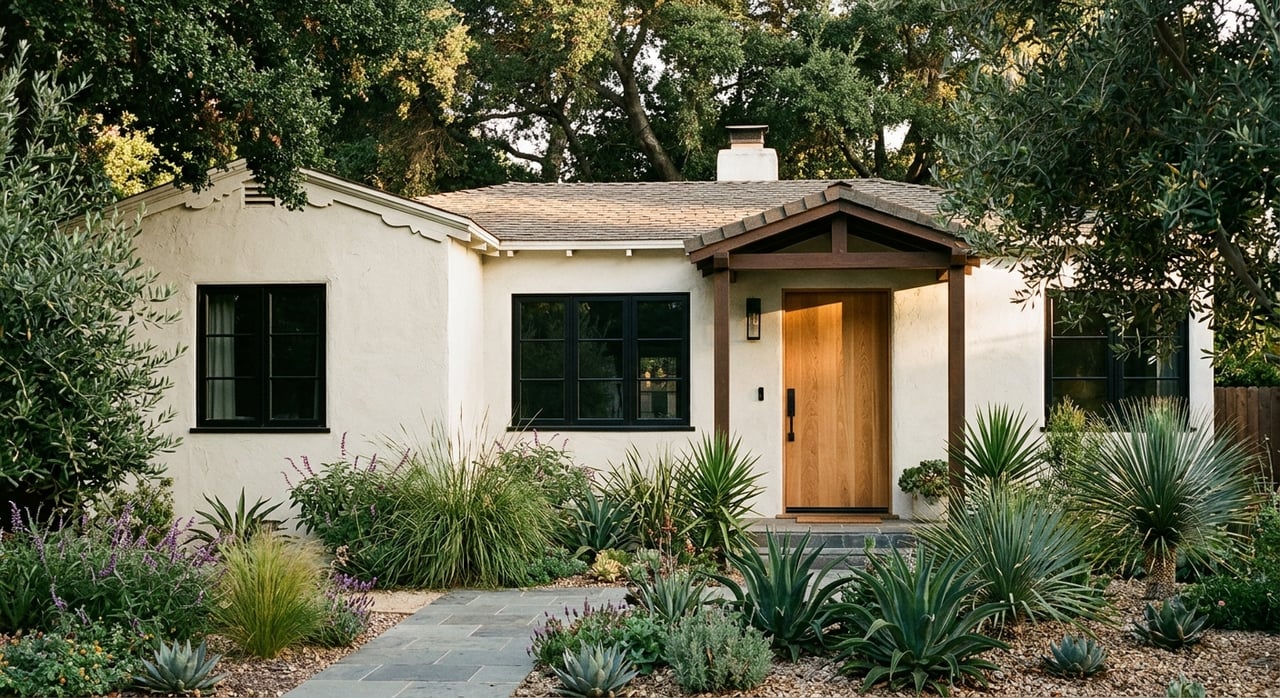
In East Austin, value-add homes are often older, smaller houses with solid bones and room for smarter use of space. Instead of large suburban-style layouts, you will often see compact early- and mid-20th-century homes that may be better candidates for selective renovation or expansion.
A useful local reference is the Robertson/Stuart & Mair Historic District, where principal home styles include Victorian, Folk Victorian, National Folk, Craftsman, and Minimal Traditional. City materials also identify 1920s bungalows with Craftsman influences, which gives you a good sense of the kind of housing stock that often shows up in East Austin.
When you tour homes, pay attention to features that may create upside if they are legally and structurally workable. Common examples include:
- Detached garages
- Carports
- Enclosed porches
- Altered rooflines
- Small footprints on usable lots
- Older layouts that may benefit from interior reconfiguration
These features do not guarantee value, but they can signal opportunity if the property supports the right next step.
Look Beyond Cosmetic Upgrades
One of the biggest mistakes buyers make is confusing cosmetic appeal with true upside. A staged home with new finishes may look polished, but that does not always mean it offers better long-term value.
In many East Austin homes, the bigger opportunity is not the backsplash or fixture package. It may be the ability to improve layout, expand livable area, add another unit where allowed, or modernize an older structure in a way that fits the property’s zoning and review path.
That is why value-add buyers need to think like operators, not just shoppers. You are not only asking whether a home looks nice today. You are asking what the property can realistically become over time.
Check Zoning Before You Get Excited
Zoning is one of the first filters for value-add potential in East Austin. Austin zoning regulates uses, height, setbacks, impervious cover, and combining districts, and overlays can change the rules that apply to a site.
This means two similar-looking homes may not have the same expansion potential. One might support a better addition strategy, while the other may face tighter limits because of its zoning or overlay mix.
Austin’s HOME amendments created important new possibilities for some single-family lots. Phase 1 allows up to three housing units on SF-1, SF-2, and SF-3 properties, while Phase 2 created a small-lot single-family category for lots between 1,800 and 5,750 square feet.
Separately, Austin’s ADU rules still require SF-1, SF-2, or SF-3 zoning, a minimum lot size of 5,750 square feet, a unique address or building number, and compliance with technical code requirements. If your value-add strategy depends on adding a second unit or using a small-lot approach, those thresholds matter right away.
Watch for Historic Review Issues
Historic review can be the factor that changes a straightforward renovation into a slower and more managed process. In East Austin, this is especially important because the area includes older housing stock and active historic planning work.
The City of Austin is currently updating the East Austin Historic Resource Survey for buildings more than 45 years old east of I-35. The city says this survey is a planning tool only, with no zoning, land-use, or tax changes by itself, but it still signals that some homes may sit in a more sensitive historic context than buyers expect.
If a property is a historic landmark, a contributing property in a local historic district, or a contributing property in a National Register district, exterior alterations, additions, permanent site work, and new construction generally go through historic review. Routine maintenance and in-kind repairs generally do not.
For you as a buyer, the takeaway is simple: a home that looks like an easy teardown or major exterior redesign may actually be better suited for interior updates, careful repair, or a modest addition. The upside may still be there, but the path can be very different.
Use Public Records to Verify the Story
In East Austin, public records can tell you whether a listing’s upside is real or just assumed. Before you rely on square footage, conversion potential, or prior improvements, compare the marketing story to what the city has on file.
The City of Austin’s Property Profile tool is a strong first step because it shows zoning, development regulations, and other official property details by address. AB+C Public Search is the companion tool for permit and case history.
Using both tools together can help you confirm:
- Base zoning
- Overlays and development rules
- Permit history
- Case history
- Whether visible changes appear to have been formally reviewed
This matters because Austin’s Residential Plan Review division handles new construction, additions, interior remodels, and demolition for single-family, duplex, and two-family homes and related structures on one lot. If a home appears to have more livable area than its permit history supports, you should verify that before treating it as clean value-add potential.
Red Flags to Notice Early
Some of the best opportunities come from homes that need work. Still, there is a difference between manageable improvement and unclear risk.
A few red flags deserve extra attention in East Austin:
- Garage conversions with unclear permit history
- Enclosed porches or carports that may not have been properly reviewed
- Roof raises that may count as additions
- Expired permits
- Listings that market more usable space than city records appear to support
- Assumptions about adding units without confirming lot size and zoning
None of these issues automatically kill a deal. They simply mean you should slow down, verify the facts, and price the risk correctly.
A Simple Screening Process
If you want to spot strong value-add homes faster, use a repeatable process. East Austin rewards buyers who screen carefully before getting attached.
Start with the lot and zoning
Look at the address in the City of Austin Property Profile tool. Confirm base zoning, check for overlays, and see whether the property sits in a neighborhood-plan or historic area.
Study the existing improvements
Older, compact homes with detached structures or awkward layouts may offer better upside than already-maxed-out houses. Focus on usable bones, not just updated finishes.
Pull permit and case history
Use AB+C Public Search to review prior work. Pay close attention to conversions, additions, enclosures, roof changes, and expired permits.
Test the second-unit idea
If your plan depends on an ADU or multi-unit strategy, compare the lot to Austin’s thresholds. The lot size, zoning category, and code path need to support the idea before it becomes part of the value story.
Match the plan to the property
Some homes are best suited for a cosmetic refresh. Others may support a more meaningful layout change, addition, or small-scale development path. The smartest move is the one the property can actually support.
What Smart Buyers Focus On
The best East Austin value-add buyers stay disciplined. They know that the goal is not to find the most dramatic before-and-after story. The goal is to buy a property where the upside is realistic, defensible, and aligned with the rules.
That often means paying attention to quieter details like zoning, lot size, permit history, and historic context. In a neighborhood known for creativity and change, the edge usually comes from clear thinking, not guesswork.
If you are evaluating homes in East Austin, a strategic review up front can save you time, protect your budget, and help you buy with more confidence. When you want a clearer read on renovation potential, lot strategy, or exit value, Deep Parikh can help you look beyond the listing and assess the full value cycle.
FAQs
How can you tell if an East Austin home has real value-add potential?
- Start by checking zoning, overlays, lot size, permit history, and whether the property sits in a neighborhood-plan or historic area before assuming expansion potential.
What kinds of homes in East Austin often offer value-add opportunities?
- Older, smaller houses with compact footprints, detached garages, enclosed porches, carports, or layouts that can be improved are common value-add candidates in East Austin.
Why does zoning matter for East Austin value-add homes?
- Zoning affects what uses, height, setbacks, impervious cover, and housing options may be allowed, so it directly shapes how much upside a property may have.
Can you add an ADU to any East Austin property?
- No. Austin’s ADU rules require SF-1, SF-2, or SF-3 zoning, a minimum lot size of 5,750 square feet, a unique address or building number, and compliance with technical code requirements.
What should you check in Austin permit records before buying a fixer-upper?
- Review permit and case history for additions, garage conversions, porch or carport enclosures, roof raises, and expired permits so you can compare the listing to what the city has actually approved.
How do historic rules affect East Austin renovation plans?
- If a property is a historic landmark or a contributing property in certain historic districts, exterior changes, additions, site work, and new construction generally go through historic review, which can shape the project scope and timing.