If you want South Austin access without feeling like you live in the middle of a nonstop commercial district, South Manchaca deserves a closer look. This established area offers a midcentury foundation, practical corridor access, and the kind of gradual change that often appeals to buyers, renters, and owners thinking long term. If you are trying to understand what living here is really like, this guide will walk you through the neighborhood’s character, housing mix, location advantages, and why it stands out in South Austin. Let’s dive in.
South Manchaca at a Glance
South Manchaca sits within the City of Austin’s South Austin Combined Neighborhood Plan area, roughly bordered by Ben White Boulevard to the north, Stassney Lane to the south, South 1st Street to the east, and Manchaca Road to the west, according to the South Manchaca planning documents. That location gives you a south-central position with access to several major Austin routes.
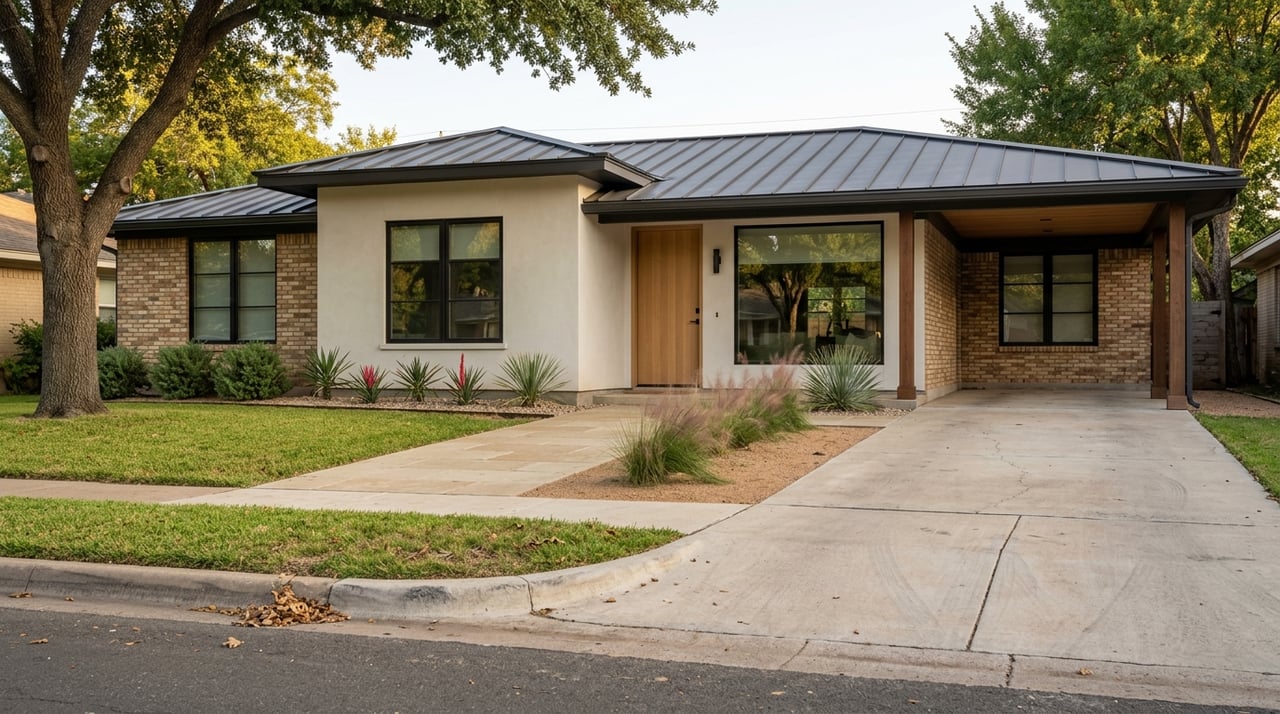
The area is not a brand-new subdivision, and that is part of its appeal. The City of Austin notes in the South Austin Combined Neighborhood Plan that South Manchaca was the first part of the planning area to see significant residential development, with single-family homes dating back to the 1950s.
Neighborhood Character
One of the best ways to describe South Manchaca is established, residential, and evolving gradually. It has a classic South Austin feel rooted in earlier development patterns, which can create more visual variety than you might find in a newer, master-planned area.
That history matters when you are evaluating how a neighborhood feels day to day. Instead of a uniform streetscape of recently built homes, South Manchaca is more closely tied to a postwar residential pattern that has changed over time through additions, updates, and selective infill.
Why the Area Feels Different
The neighborhood plan points toward incremental change rather than wholesale transformation. City Council backup materials tied to the South Manchaca Neighborhood Plan Combining District reference infill tools such as small-lot amnesty, cottage lots, urban homes, secondary apartments, and corner-store uses, along with design-related tools like front-porch setbacks and garage placement standards in the City of Austin council materials.
In practical terms, that suggests a neighborhood where change can happen over time in smaller steps. For you, that may mean a mix of older homes, updated properties, and infill housing types rather than a single dominant product type.
What Housing Looks Like
If you are home shopping in South Manchaca, you should expect a mix of ages and conditions. Based on the city’s planning and historical documents, the strongest pattern is older housing stock with a midcentury base, plus later infill over time.
That can be a positive if you value flexibility. Some buyers are drawn to established neighborhoods because they may offer renovation potential, opportunities to personalize a property over time, or a chance to buy into a central location without relying on new construction inventory alone.
What Buyers Should Keep in Mind
South Manchaca can be especially worth considering if you are looking beyond surface finishes. In a neighborhood shaped by older homes and gradual infill, the real question is often not just what a property looks like today, but what it could become with the right plan, budget, and timeline.
That does not mean every property is a value-add opportunity, and it does not guarantee redevelopment potential on any individual lot. It does mean the area may appeal to buyers who want an established setting and are open to evaluating condition, layout, and future upside carefully.
What Renters May Notice
For renters, the same housing pattern can translate into more variety than you might see in a newer apartment-heavy submarket. Based on the city’s planning framework, South Manchaca may include older homes, smaller multifamily options, and infill products, especially closer to surrounding corridors.
If you prefer a residential environment with practical access to major roads, parks, and nearby retail districts, that mix may feel more grounded than a dense entertainment-oriented area.
Access Around South Austin
Location is one of South Manchaca’s biggest strengths. Because the neighborhood sits against Ben White Boulevard, South 1st Street, and Manchaca Road, you are not tucked far away from the routes many people use to move around South Austin.
That does not mean every trip is effortless, but it does mean the area benefits from strong corridor access. For many buyers and renters, that balance matters. You can enjoy a quieter residential setting while still staying connected to key parts of the city.
Transit Access
If public transit is part of your routine, CapMetro’s Route 3 Burnet/Menchaca serves the Manchaca corridor, as referenced in the city’s boundary and planning materials. That adds another layer of practical access for people who want transportation options beyond driving.
Parks and Outdoor Options
South Manchaca also benefits from nearby park access, which adds to its everyday livability. According to the City of Austin park inventory, nearby options include James A. Garrison District Park at 6001 Manchaca Road, listed at 40 acres, along with St. Elmo School Park at 4312 South 1st Street and South Austin Neighborhood Park at 1100 Cumberland Road.
These park resources are helpful because they reinforce the neighborhood’s residential appeal without overselling any one lifestyle angle. If you like having green space and recreation nearby, South Manchaca offers access to those assets while remaining connected to larger South Austin corridors.
Nearby Retail and Dining Access
Another advantage of South Manchaca is what surrounds it. You are close to commercial districts that bring local shopping, food, and neighborhood activity, while the core of South Manchaca itself remains more residential in character.
The City of Austin’s South 1st Street District overview highlights boutiques, vintage shops, food, and murals. The nearby South Congress district is also known for local character, dining, and a strong neighborhood identity through the city’s district resources.
Why That Balance Matters
For many people, the sweet spot is not living directly inside the busiest retail corridor. It is living close enough to enjoy those areas when you want them, while coming home to a neighborhood that feels more established and residential.
That is one of the clearest strengths of South Manchaca. It can offer access to active South Austin districts without reading like an entertainment district itself.
Why South Manchaca Appeals to Strategic Buyers
South Manchaca is especially compelling if you think about real estate as a long-term decision, not just a short-term move. An established neighborhood with older housing stock, corridor access, and plan-guided incremental change often attracts buyers who want to weigh present livability against future potential.
If that sounds like you, this is the kind of area where it helps to look closely at lot characteristics, improvement history, renovation scope, and how the surrounding block is evolving. In other words, South Manchaca can reward a more thoughtful approach than simply comparing finishes online.
Opportunity Without Overstatement
The opportunity here is best understood as character, access, and flexibility. The city’s planning framework supports the idea of gradual infill and continued evolution, but it is important to stay property-specific when making decisions.
That is where a strategic lens matters. Whether you are buying to live in a home, planning selective updates, or evaluating a property with future resale in mind, South Manchaca is a neighborhood where details can matter as much as location.
Is South Manchaca Still Evolving?
Yes. The City of Austin still includes the South Austin Combined plan on its neighborhood plans and resources page, which indicates the area remains part of the city’s ongoing planning framework.
For you, that is a useful reminder that South Manchaca is not frozen in time. It is an established neighborhood with a history, but also one that remains relevant in Austin’s broader planning and growth conversation.
Final Thoughts on Living in South Manchaca
South Manchaca stands out for a simple reason: it offers a classic South Austin residential feel with strong everyday access and room for thoughtful change over time. You are looking at a neighborhood shaped by midcentury roots, influenced by city planning, and supported by nearby parks and commercial districts that add convenience without overwhelming its residential identity.
If you are considering a move in South Austin, South Manchaca is worth viewing through both a lifestyle lens and a value lens. And if you want help evaluating whether a specific property fits your goals, timelines, or renovation plans, connect with Deep Parikh for clear, strategic guidance.
FAQs
What is South Manchaca in Austin known for?
- South Manchaca is best known as an established South Austin residential area with midcentury roots, practical access to major corridors, nearby parks, and gradual infill shaped by city planning documents.
What kind of homes can you expect in South Manchaca?
- Based on City of Austin planning history, you can generally expect a mix of older postwar-era homes and later infill rather than a uniform collection of new construction.
Is South Manchaca a good location for getting around South Austin?
- South Manchaca has strong corridor access because it is located near Ben White Boulevard, South 1st Street, and Manchaca Road, and the Manchaca corridor also has CapMetro Route 3 service.
Are there parks near South Manchaca?
- Yes, nearby park options listed by the City of Austin include James A. Garrison District Park, St. Elmo School Park, and South Austin Neighborhood Park.
Is South Manchaca mostly residential or commercial?
- South Manchaca is best described as primarily residential, with the benefit of being close to active retail and dining areas like the South 1st Street district and South Congress.
Is South Manchaca still part of Austin’s planning conversation?
- Yes, the City of Austin still lists the South Austin Combined plan in its neighborhood planning resources, which shows that the area remains part of the city’s planning framework.