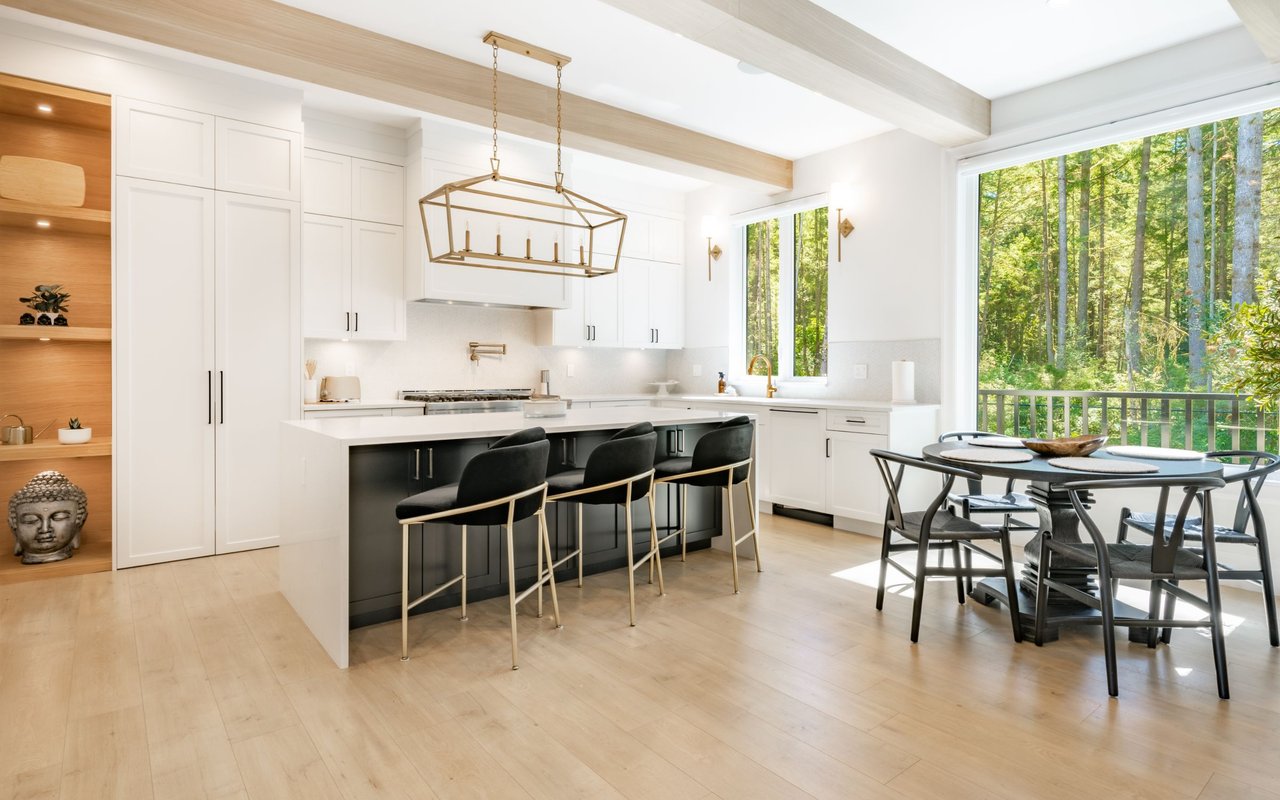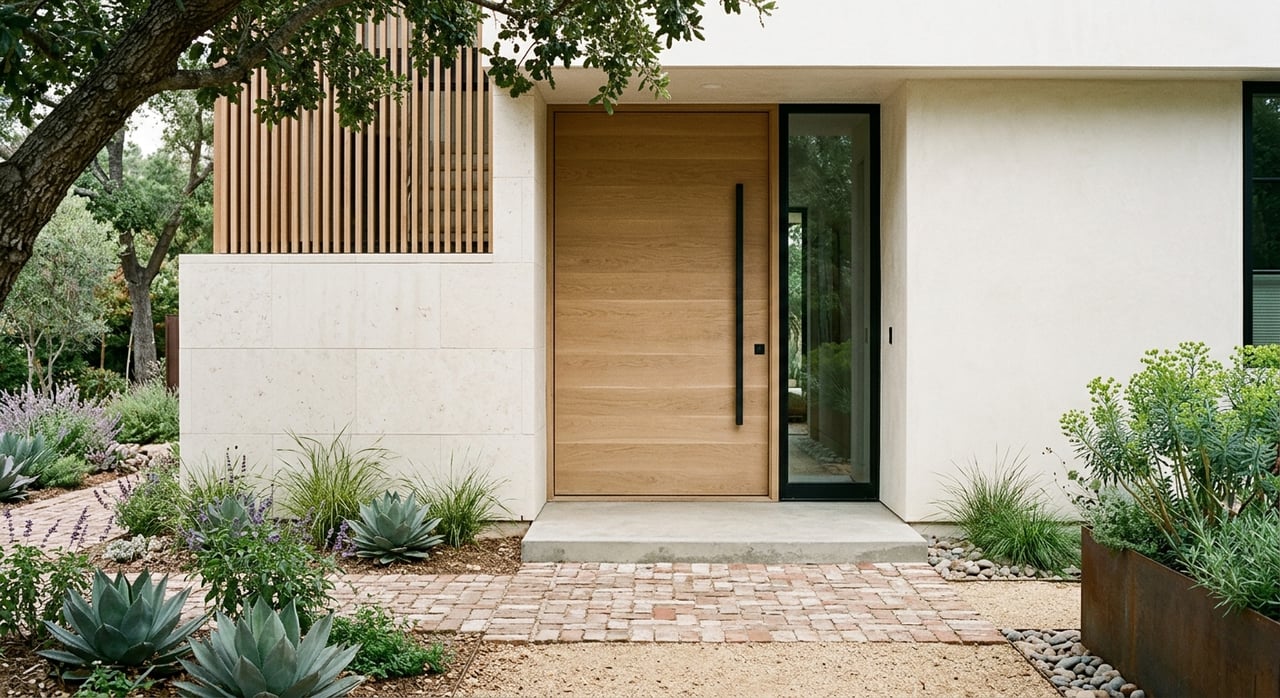
Wondering whether to renovate before listing or sell your Tarrytown home as-is? In a neighborhood where older homes, updated properties, new construction, and even buildable lots all compete side by side, the right answer is rarely one-size-fits-all. If you want to protect your time, reduce guesswork, and make a smart value decision, this framework will help you think through what matters most in Tarrytown. Let’s dive in.
Why this decision matters in Tarrytown
Tarrytown sits within Austin’s Central West area and includes a mix of established streets, older homes, and long-held lot patterns. City planning documents describe much of the area near the river as 1950s-era development, which helps explain why many homes now face a similar question: update the house, or let the next owner take it from here.
That choice matters because Tarrytown is still a premium market, but buyers are not ignoring condition or pricing. Recent data shows a median sale price of about $1.81 million over the last three months, with homes averaging 44.5 days on market and selling about 3.6% below list on average. In other words, demand is strong, but presentation still counts.
What buyers are seeing right now
One reason this decision can feel tricky is that Tarrytown buyers are seeing very different product types at once. Current listings include renovated older homes, move-in ready newer homes, new construction, and lots marketed for custom builds. That means your home is not just competing against similar houses. It may also be competing against a completely different buyer vision.
In practical terms, buyers here often fall into two broad camps. Some want a polished, turnkey home with updated finishes and systems. Others care more about the address, lot, and future potential than the current condition of the structure.
A simple seller framework
If you are deciding between renovating and selling as-is, start with four questions.
Who is your likely buyer?
The first question is whether your home is more likely to attract an owner-occupant or a buyer focused on land and redevelopment potential. In Tarrytown, both paths are visible in current inventory. A well-located home with good bones may appeal to someone who wants to move in with minimal work, while a dated structure on a strong lot may attract someone planning a larger transformation.
This distinction shapes everything else. If your most likely buyer wants turnkey condition, a selective refresh may help you capture more demand. If the lot is the main draw, major renovation spending may not move the needle enough to justify the cost.
Are the updates cosmetic or complex?
Not all renovation work carries the same risk, timeline, or payoff. Cosmetic projects like paint, flooring, landscaping, and light curb appeal improvements are very different from roofing, plumbing, electrical, HVAC, or permit-heavy kitchen and bath work.
That matters in Austin because residential permits are required for many types of remodeling, and even some work that looks simple can trigger review and inspections. The city notes that replacing a shower, tub, or tub-and-shower combination is not exempt from permit requirements. For sellers on a deadline, that can turn a quick refresh into a longer, less predictable project.
Will the refresh beat the carrying costs?
A renovation should not just look good. It should improve your net result enough to cover the costs, the time, and the risk. In a market where homes are still selling at a premium but often below list, you want to be careful about assuming every dollar spent will come back at closing.
This is especially important in Tarrytown, where recent sold homes have ranged widely in days on market. Some homes move quickly, while others sit much longer. A targeted improvement plan can help, but over-improving for the market can eat into your return.
Is the lot more valuable than the house?
In some Tarrytown situations, the structure matters less than the site itself. Austin’s HOME-related market analysis shows why central Austin land can carry meaningful value, especially where lot size, layout, and redevelopment potential align with what buyers want.
That does not mean every property is a redevelopment play. It does mean you should honestly assess whether your home will be judged mainly as a finished residence or as a future project. If buyers are likely to focus on the lot, an as-is strategy may be the more efficient move.
When renovating before selling makes sense
A pre-list renovation is usually most defensible when the home already has strong location appeal, but its visible finish level trails what buyers expect in Tarrytown. In that case, a selective update can help your home show better, photograph better, and feel easier for buyers to say yes to.
National remodeling data points to a clear pattern. Sellers are often advised to paint, address roofing, and focus on practical, high-visibility improvements rather than a full gut remodel. Buyers also continue to respond to kitchen upgrades, bathroom updates, and signs that the home has been well maintained.
In Tarrytown, that lines up with current listing language. Homes often highlight fresh paint, flooring, landscaping, updated kitchens and baths, refreshed decks, and system upgrades like HVAC or water heaters. Buyers in this price range tend to notice polish.
Renovations that may be worth considering
If you are leaning toward renovating, the most defensible projects are often targeted rather than transformational:
- Whole-home interior paint
- Focused exterior touch-ups
- Landscaping and curb appeal improvements
- Flooring replacement or refinishing
- Roof review or replacement if needed
- Limited kitchen updates
- Limited bathroom updates that do not create major permit delays
- Basic system refreshes that improve buyer confidence
The goal is not to create the most expensive house on the block. The goal is to remove friction, improve presentation, and make the home easier to price and market.
When selling as-is can be smarter
Selling as-is can be the better move when updates go beyond surface-level improvements. If the home has a challenging layout, older systems, deferred maintenance, or unknown repair scope, a renovation can quickly become expensive and slow.
That is even more true if the likely buyer is not paying for your finishes anyway. In Tarrytown, some buyers are specifically looking for land value, renovation upside, or the chance to build something new. For those buyers, your money may be better kept in your pocket.
An as-is strategy can also make sense if your timeline is tight. If you want to avoid contractor management, permit uncertainty, and carrying costs, listing the property in its current condition may create a cleaner path. The key is making sure pricing and positioning match the opportunity.
Signs an as-is sale may fit your property
You may want to consider selling as-is if:
- The lot is a major part of the property’s value
- The home needs more than cosmetic work
- Bathroom or kitchen updates could trigger permit-related delays
- You do not want to take on construction risk before listing
- The property may appeal to buyers seeking renovation or redevelopment potential
- Your ideal outcome is speed, simplicity, or lower upfront spend
Why over-renovating is the real risk
Many sellers frame this as renovate versus do nothing. In reality, the biggest mistake is often over-renovating without a clear market reason. In a premium neighborhood, it is easy to assume buyers will pay extra for every upgrade. But if the buyer pool is split between turnkey shoppers and lot-driven buyers, not every improvement adds equal value.
A smart strategy starts with the likely end user. If buyers will reward a polished finish, targeted work may help. If the property’s value rests more in the site, then restraint often wins.
A practical Tarrytown decision process
If you want a cleaner way to decide, use this order of operations:
Step 1: Identify your buyer path
Decide whether your home is best positioned as a move-in ready resale, a light value-add opportunity, or a land-driven property. That single choice will shape how much work makes sense.
Step 2: Separate cosmetic items from real construction
Make a clear list of easy updates versus permit-heavy or system-heavy work. This helps you avoid mixing low-risk improvements with projects that can disrupt your timeline.
Step 3: Compare likely gain to total cost
Look beyond contractor bids. Include carrying costs, extra time, staging implications, and the risk of surprises once work begins.
Step 4: Match strategy to the market
In a market where homes are not automatically selling at full list, your pricing and presentation need to fit current buyer expectations. Strong homes can still win, but they need the right setup.
Step 5: Choose the cleanest path
Sometimes the highest sale price is not the best outcome if it comes with more time, stress, and exposure to renovation risk. The best decision is the one that improves your net result and fits your goals.
The Tarrytown bottom line
In Tarrytown, there is no automatic rule that says you should renovate before selling, and no automatic reason to list as-is either. The neighborhood supports both polished resale homes and land-driven opportunities, which means the right strategy depends on your house, your lot, your timeline, and your likely buyer.
If your home mainly needs selective cosmetic work, a focused refresh may help you compete better and support stronger pricing. If the property’s value is tied more to the lot, layout, or future potential, selling as-is may be the more strategic choice.
That is where a value-based approach matters. Instead of guessing, you want to evaluate buyer fit, scope, timing, and exit strategy together before spending a dollar.
If you want help deciding whether to renovate, refresh, or sell as-is in Tarrytown, Deep Parikh can help you evaluate the full value picture and choose the strategy that fits your goals.
FAQs
Should you renovate before selling a home in Tarrytown?
- It depends on whether your updates are mostly cosmetic and whether buyers are likely to reward polished condition versus lot value.
What home updates matter most to Tarrytown buyers?
- Current market signals point to paint, curb appeal, flooring, roofing, kitchen updates, bathroom updates, and refreshed systems as the most visible improvements.
Can bathroom work in Austin require permits before selling?
- Yes. The City of Austin states that replacing a shower, tub, or tub-and-shower combination is not exempt from permit requirements.
Is selling a Tarrytown home as-is a bad idea?
- No. Selling as-is can be a smart move when the lot is a major part of the value, the home needs complex work, or you want to avoid renovation risk and delays.
How competitive is the Tarrytown real estate market right now?
- Recent data shows Tarrytown as somewhat competitive, with a median sale price around $1.81 million, about 44.5 days on market, and average sales about 3.6% below list.